

 English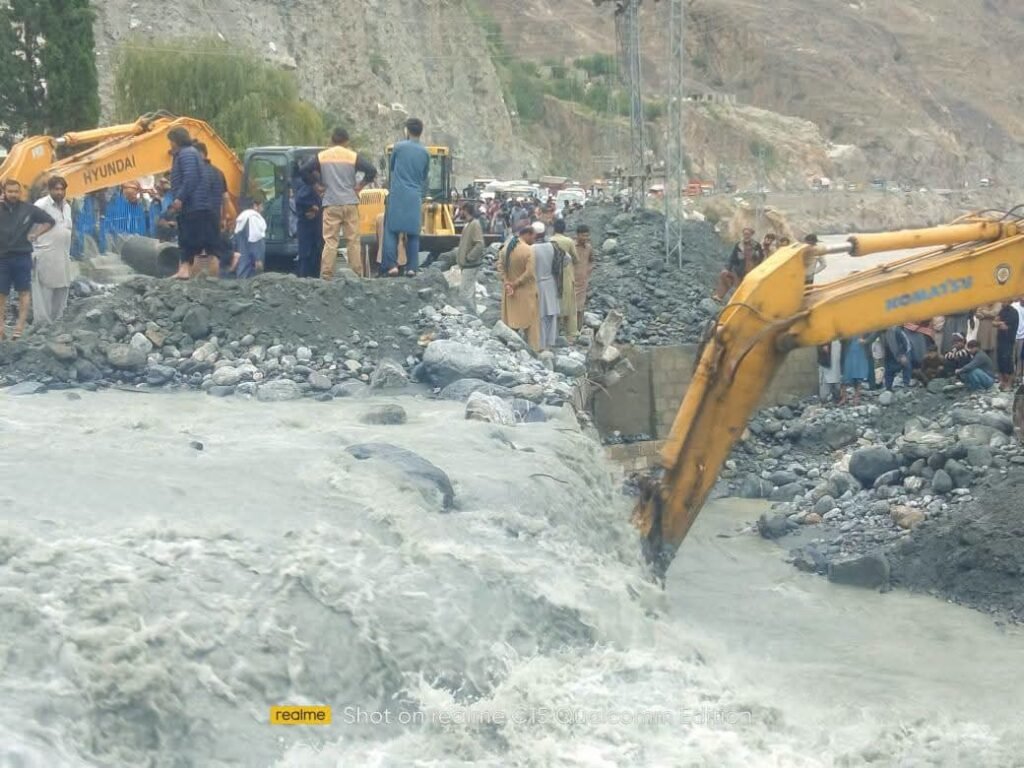































































Skardu Religious Leader Condemns Violence, Calls for Restraint

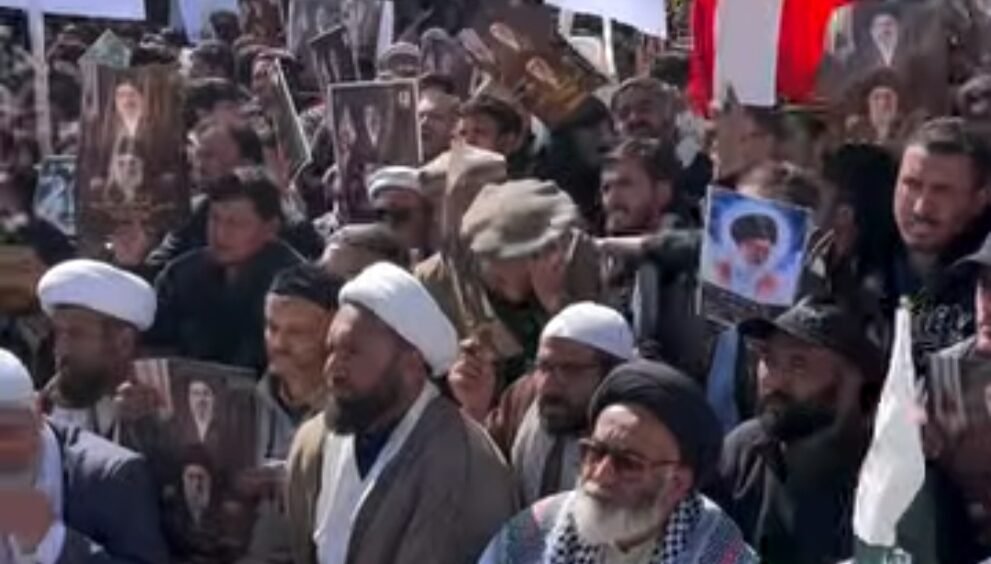
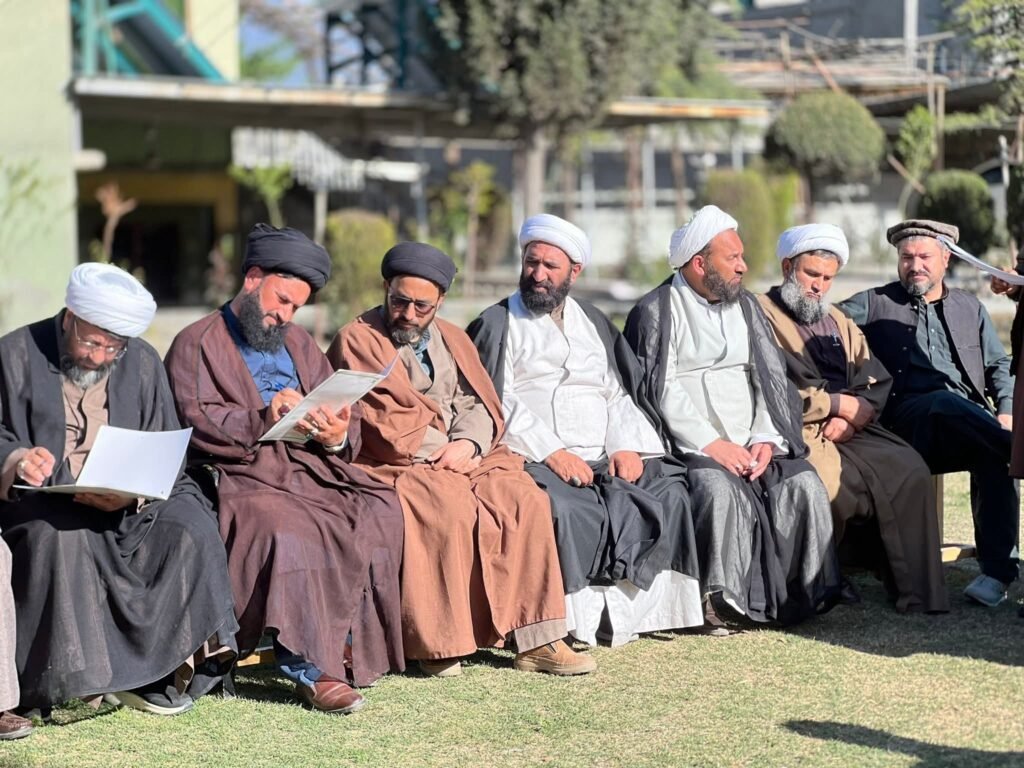
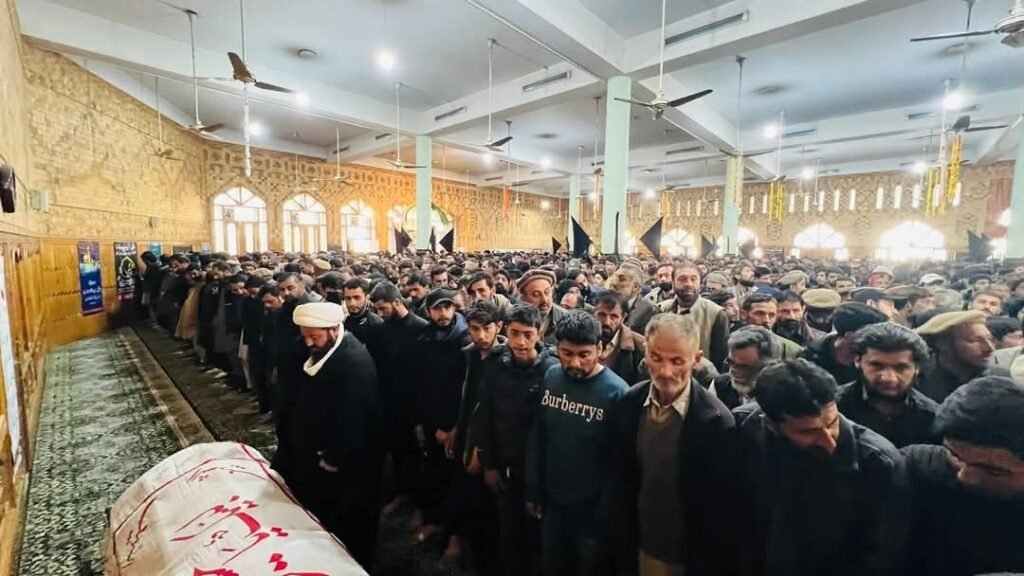
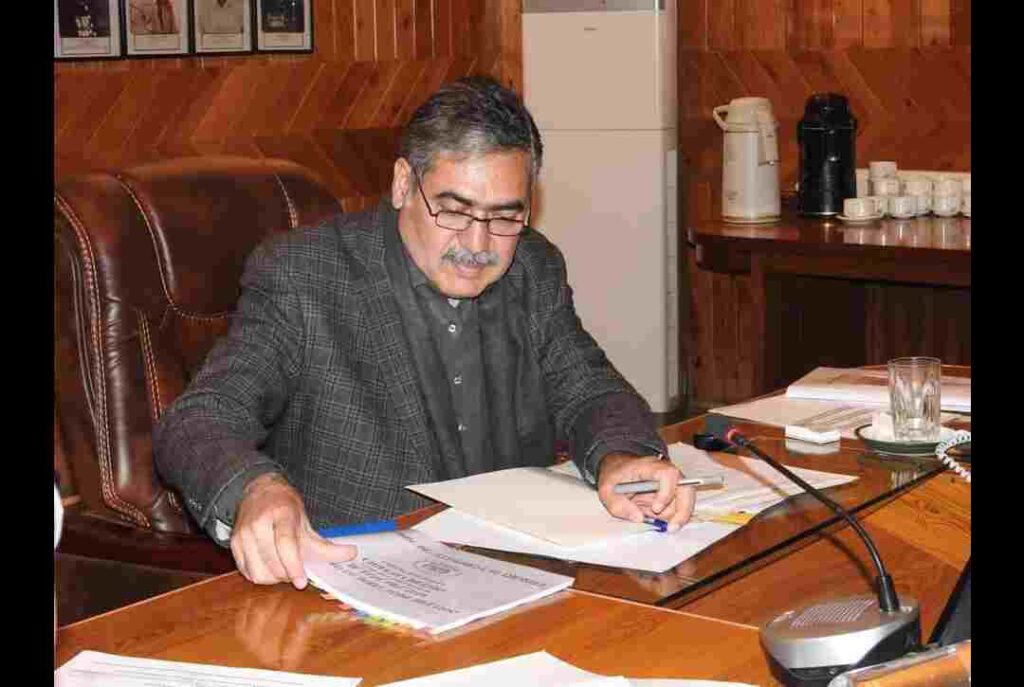
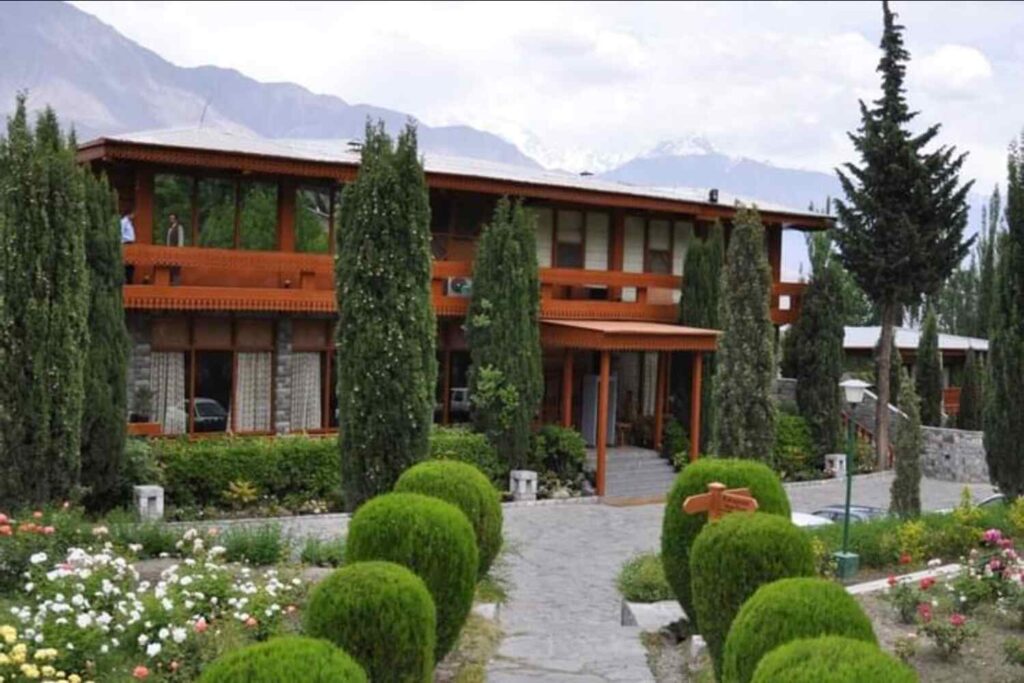
Skardu – In a measured and poignant address on Juma-tul-Wida prayers at the Markazi Imamia Eidgah in Skardu, Agha Baqar Al-Hussaini, President of Anjuman-e-Imamia Baltistan, expressed regret over recent violent incidents that rocked the region.
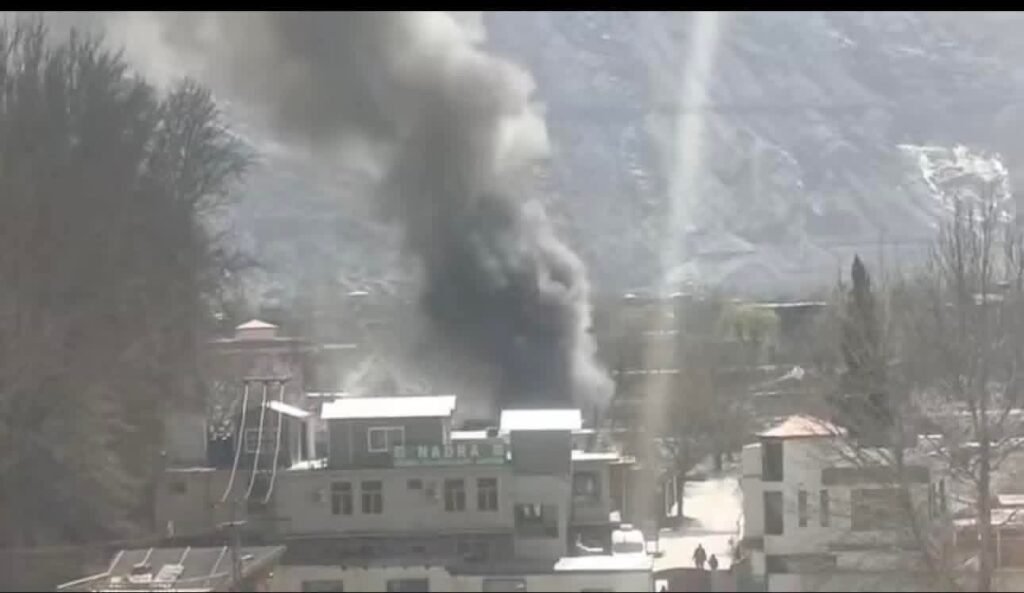
Describing the damage inflicted on institutions by what he termed “emotional youth” as deeply unfortunate, the prominent Shia scholar mourned the tragic loss of lives that ensued from the clashes.
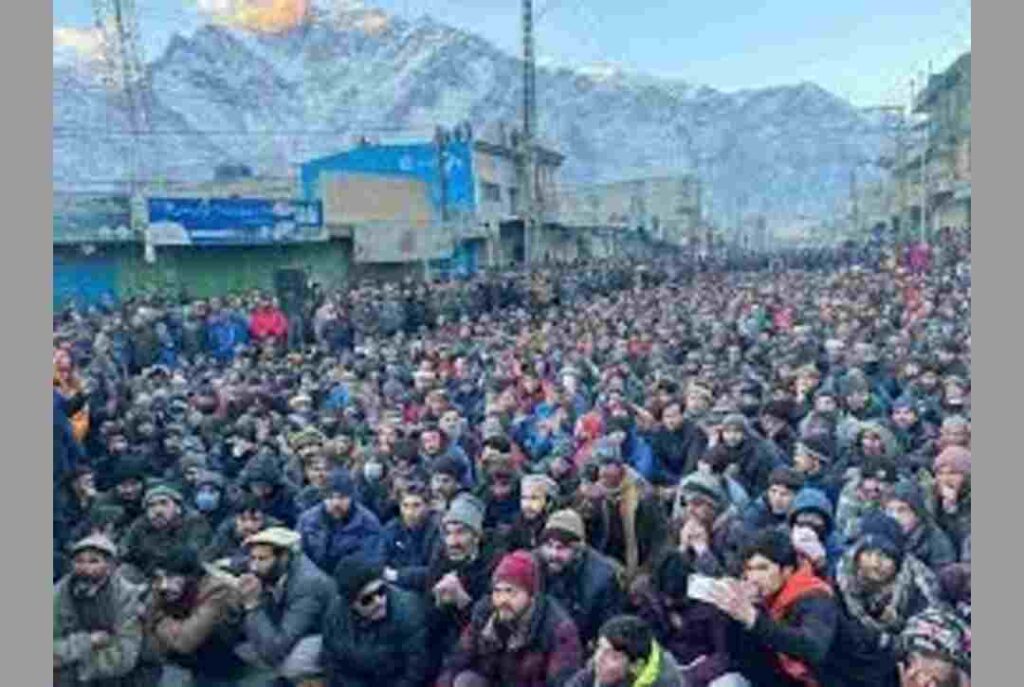
He appealed to the community to exercise patience, responsibility, and wisdom in responding to such crises, emphasizing that unity and peace must remain the top priorities for Gilgit-Baltistan’s society.
Agha Baqar specifically urged anyone who had taken items such as weapons, mobile phones, or laptops amid the unrest to return them discreetly to the central office, promising complete confidentiality to encourage compliance.
He highlighted the losses suffered by the Aga Khan Rural Support Programme (AKRSP), expressing hope that its founder, Rahim Aga Khan, would persist with the development initiatives launched in 1986 at the request of local elders—efforts that have long benefited the area’s progress.
While acknowledging that certain unfortunate events followed recent developments, he stressed the need to avoid actions that could escalate tensions further.
He noted that approximately 70 percent of the Charter of Demands presented by Anjuman-e-Imamia to the government had already been addressed, crediting public solidarity and collective pressure for this advancement, and called for continued unity to secure the remaining points.
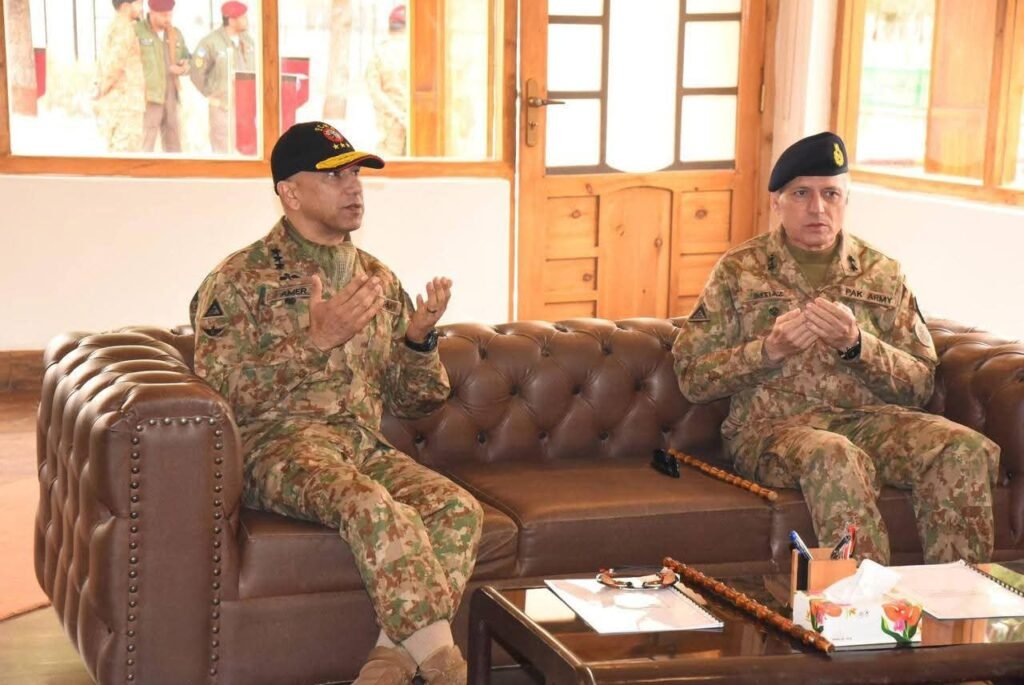
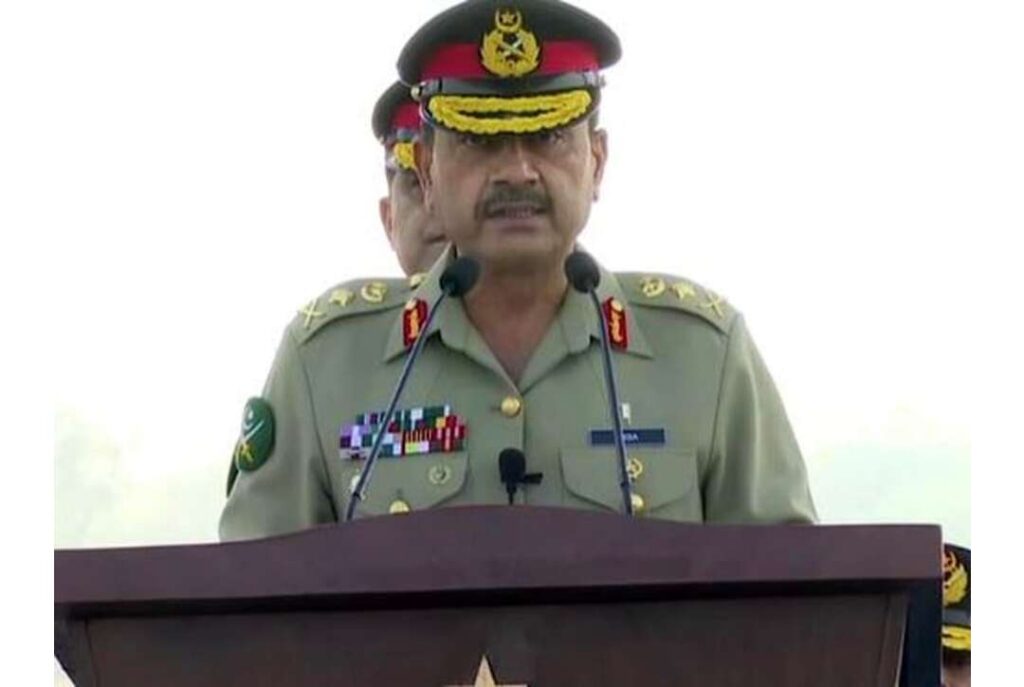
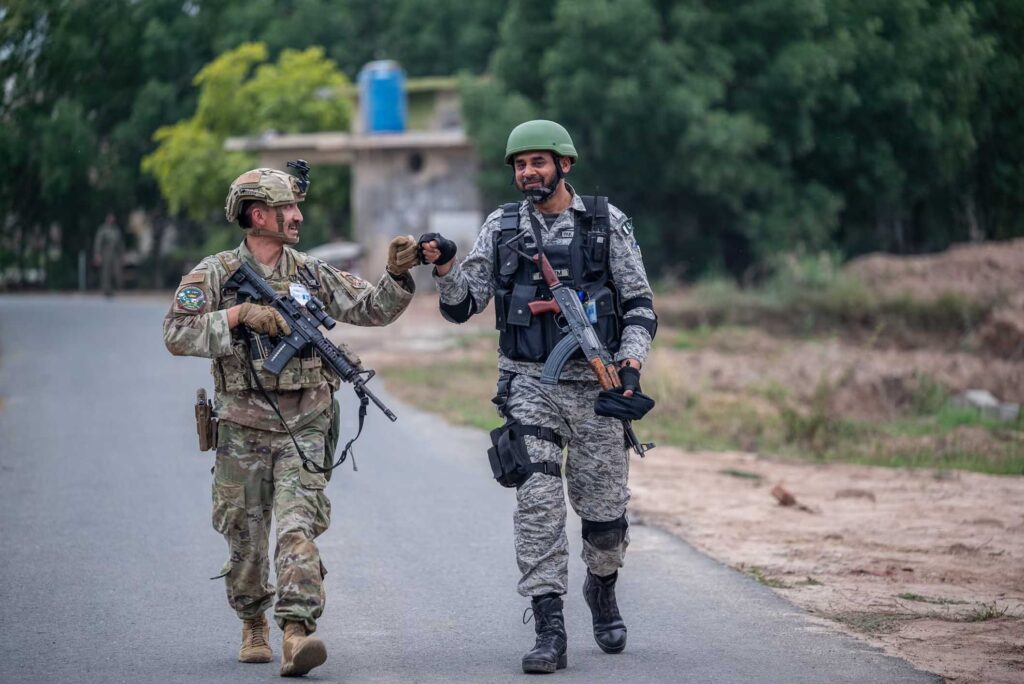
Clarifying relations with state institutions, Agha Baqar stated there had been no direct confrontation between the public and the Pakistan Army, despite reservations about specific policies, and insisted there was no personal animosity toward soldiers.
He voiced optimism that the judicial commission investigating the incidents would deliver a fair outcome. He reaffirmed that peaceful protest remains a legitimate constitutional and democratic avenue should unresolved demands persist.
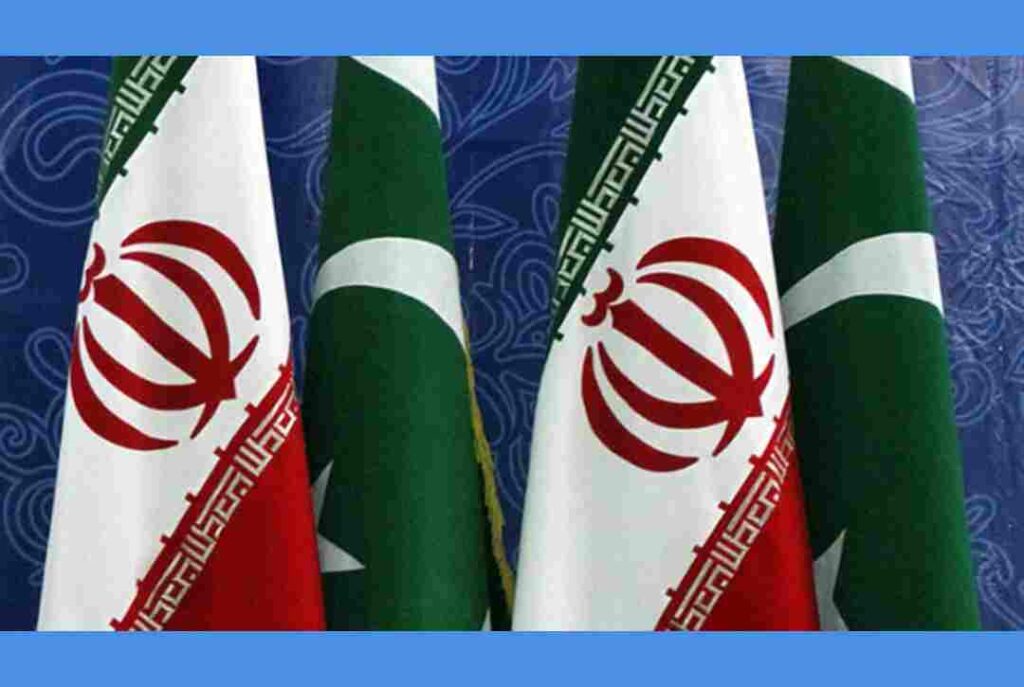
Turning to broader Muslim world concerns, he conveyed deep sorrow over the martyrdom of Iran’s Supreme Leader, noting that Eid-ul-Fitr this year would be observed with simplicity in mourning. He linked the day’s observance to Youm-ul-Quds, following Imam Khomeini’s tradition, to show solidarity with oppressed Palestinians and condemn actions by the United States and Israel. He encouraged participation in the Quds rally planned after prayers, proceeding from the Eidgah to Yadgar Chowk.
Finally, he announced the Fitrana amount for the year: Rs450 per person based on prevailing wheat prices, or Rs800 for those whose staple is rice.
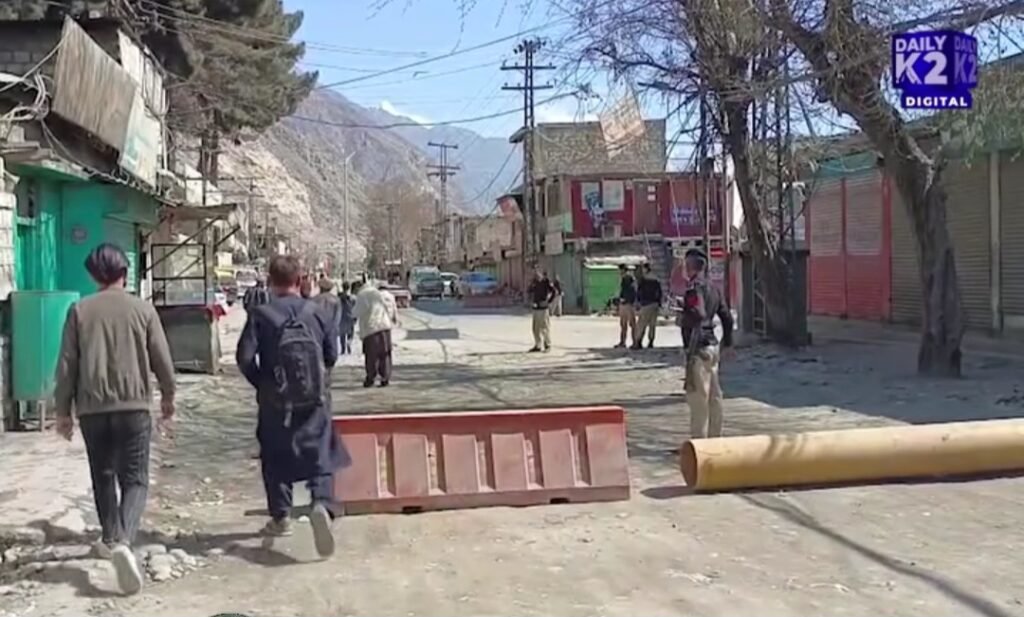
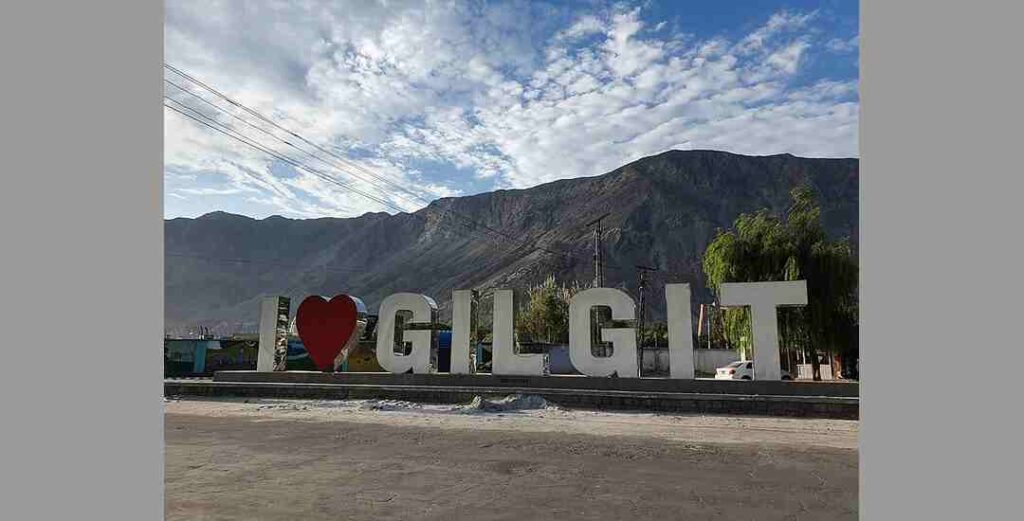
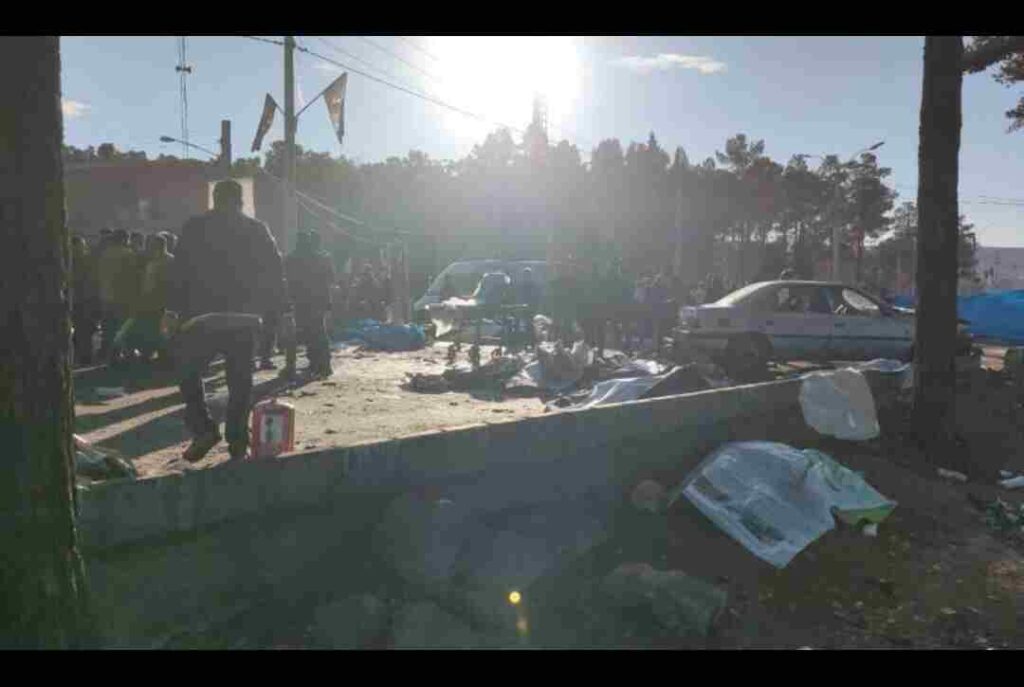
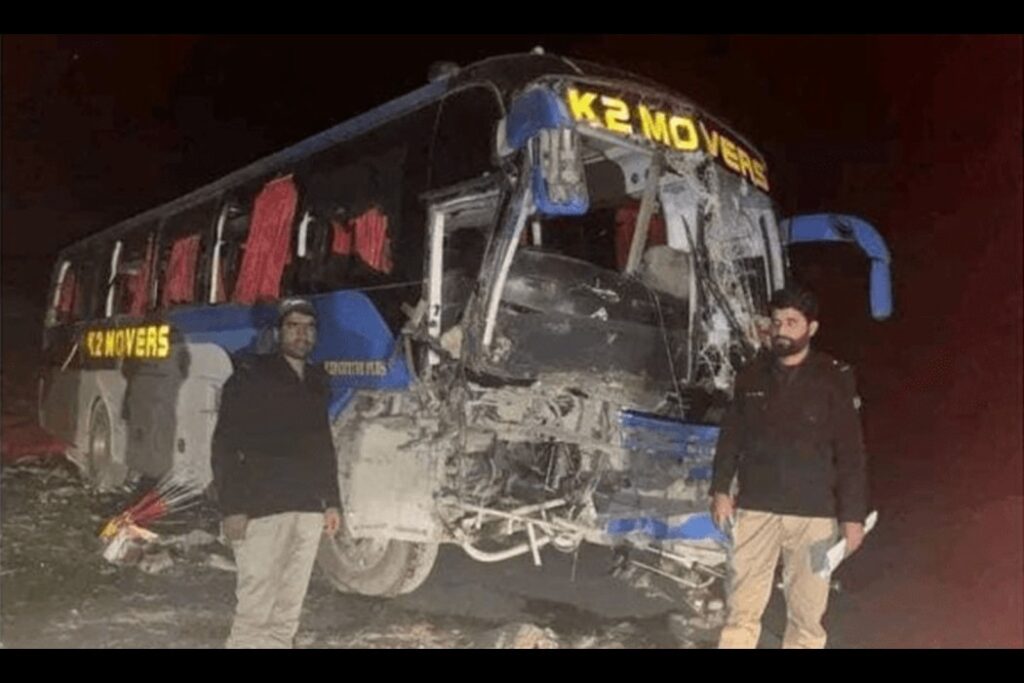
The address came amid heightened sensitivities in Skardu and Gilgit-Baltistan, following widespread protests triggered by the assassination of Iran’s Supreme Leader Ayatollah Ali Khamenei, which led to violent clashes, property damage—including to offices and institutions—multiple fatalities, curfews, and army deployment in the region. Agha Baqar’s call for calm and constructive dialogue reflects efforts by community leaders to restore stability while pursuing justice and demands.