
 English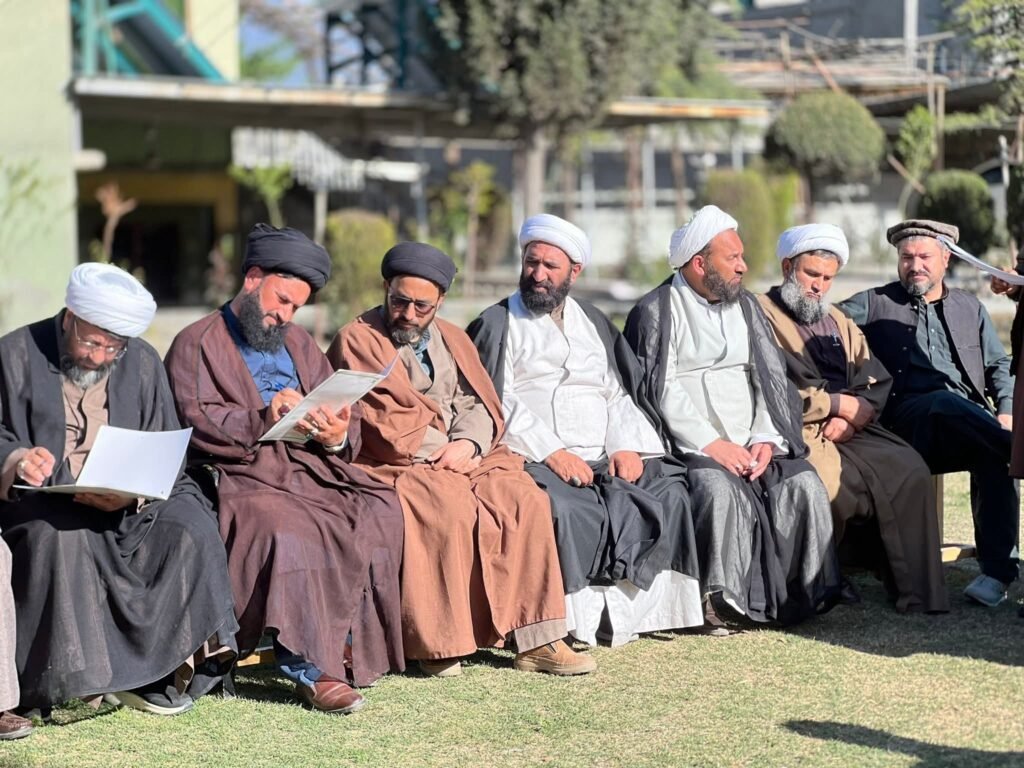



















































Shia Leaders Demand Judicial Probe

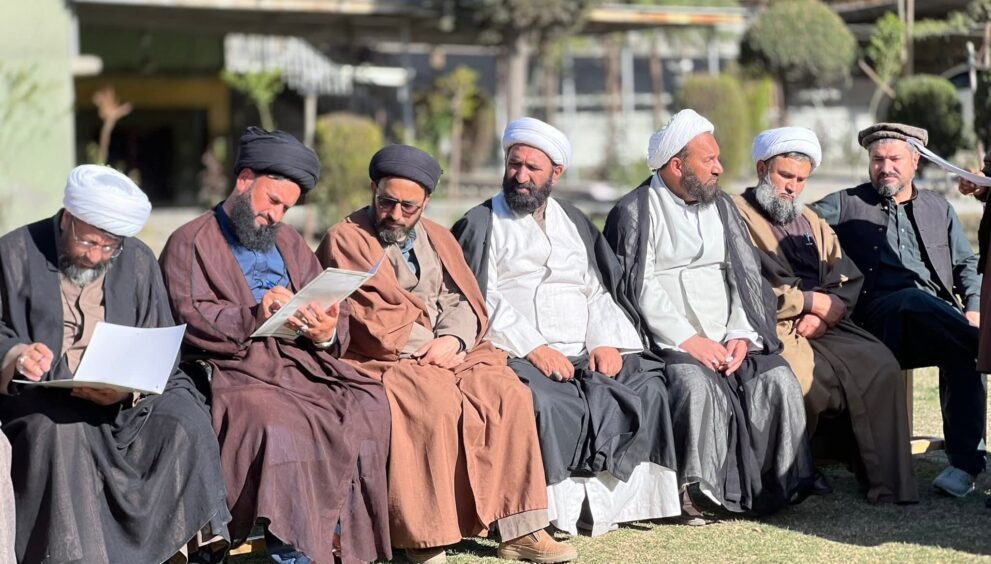
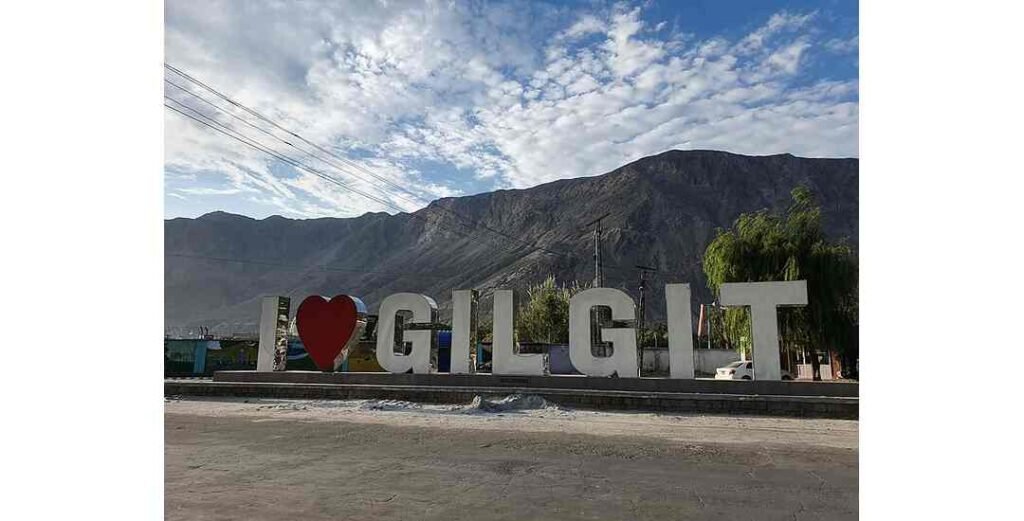
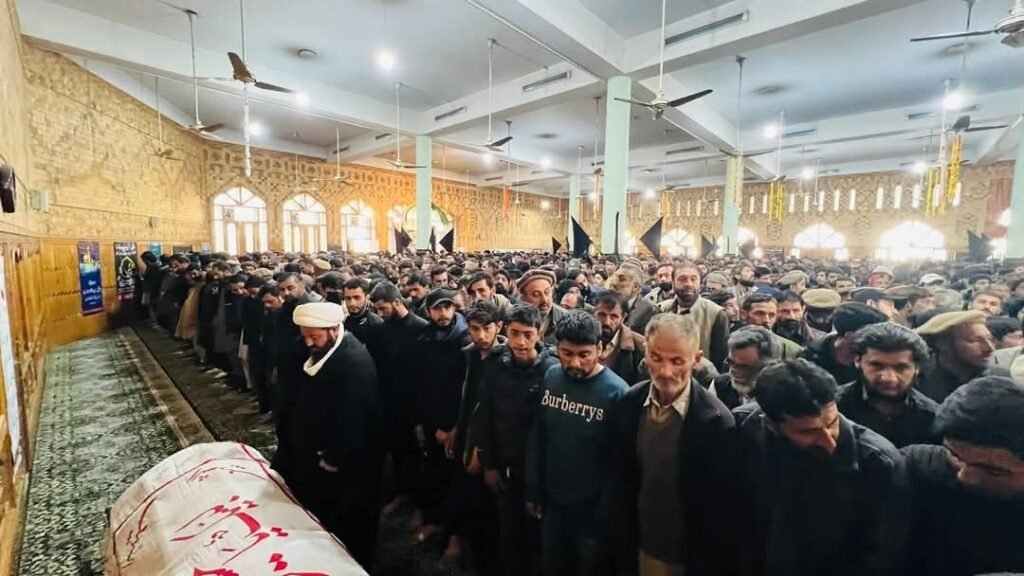
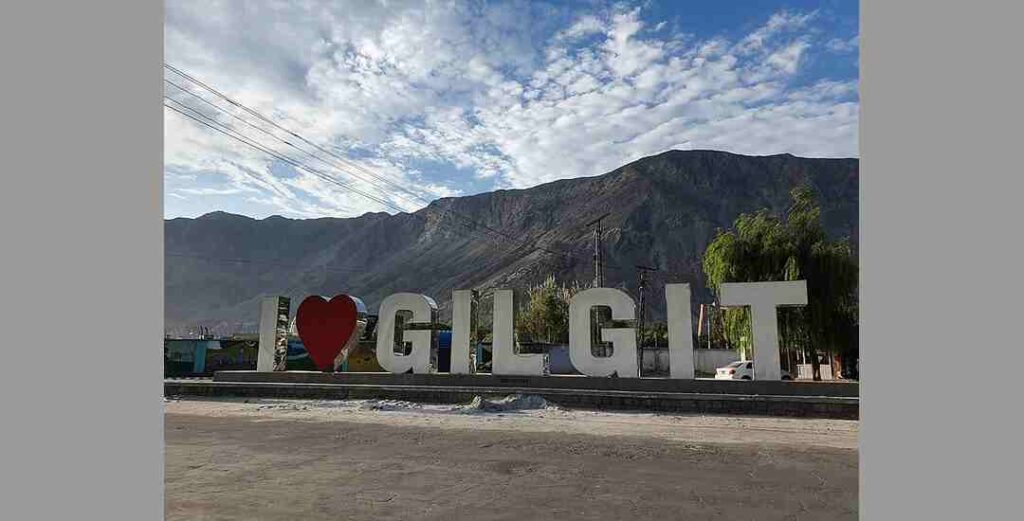
GILGIT – Major Shia organisations in Gilgit-Baltistan held a joint meeting in Gilgit on Wednesday, voicing concern over recent protest-related violence and calling for accountability, restraint and an independent judicial inquiry.
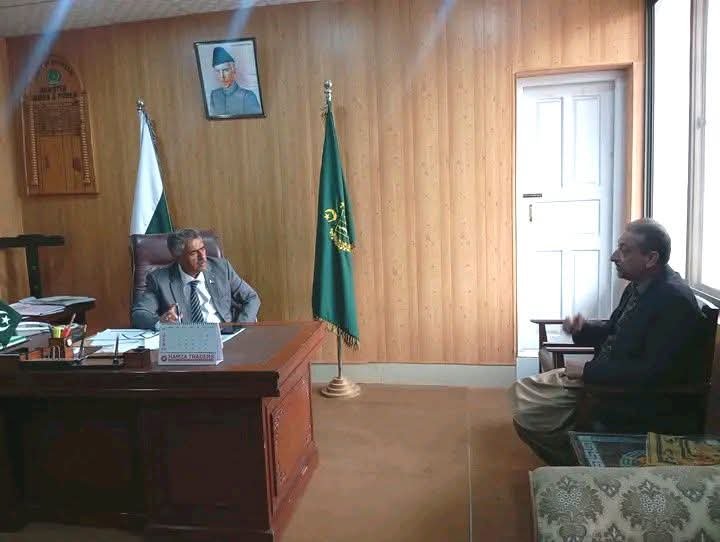
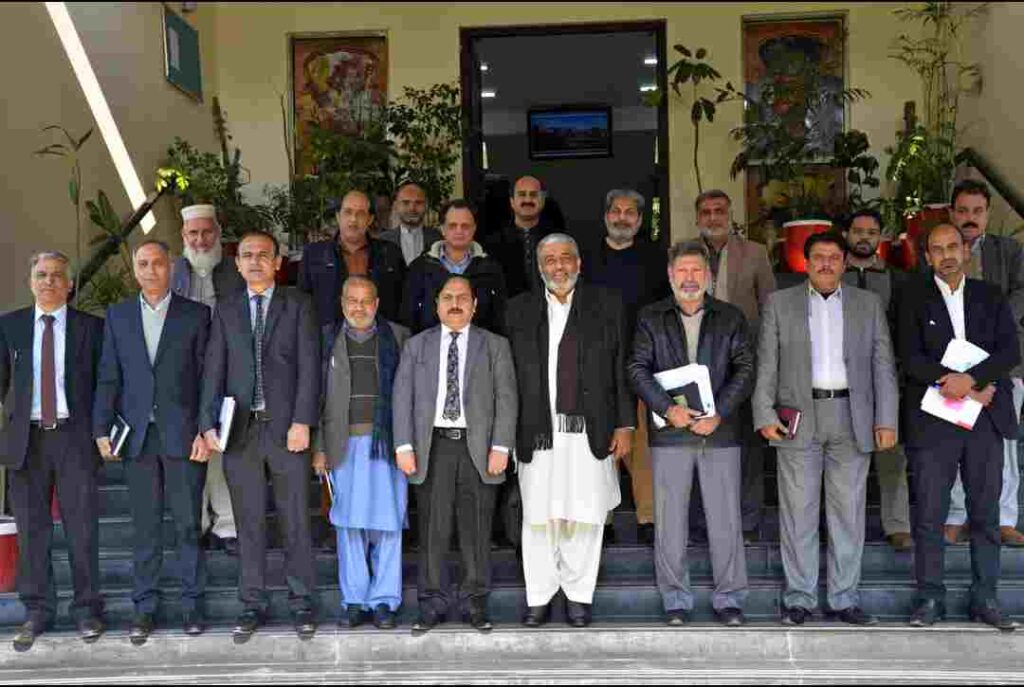
The meeting took place at the Central Imamia Mosque under the chairmanship of Syed Rahat Hussain Al-Hussaini, bringing together the Central Anjuman Imamia Gilgit, Anjuman Imamia Baltistan, Anjuman Imamia Astore and the leadership of Hayat-e-Aimma Juma wa Jamaat Gilgit, along with divisional heads, cabinet members and senior ulema.
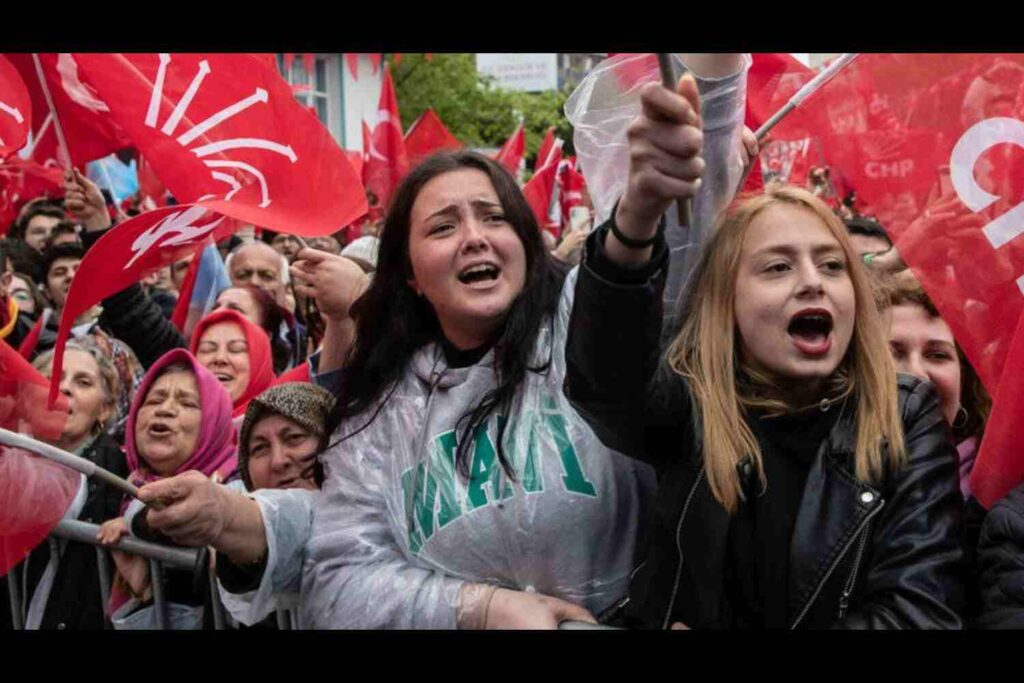
The meeting was convened in the backdrop of the reported killing of Ali Khamenei, which they described as a moment of profound grief for the global Shia community and a trigger for widespread protests in Pakistan.
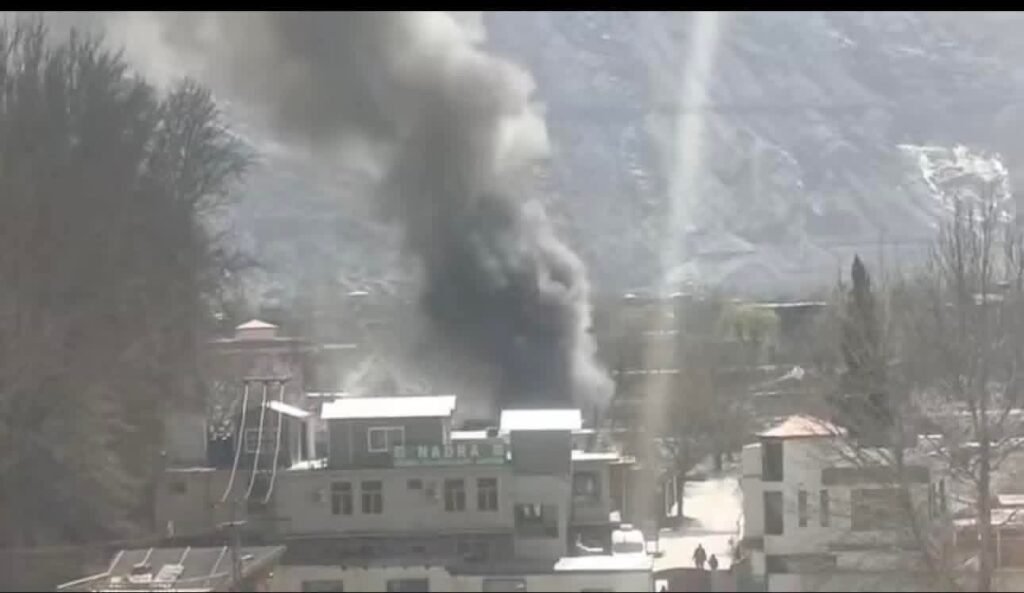
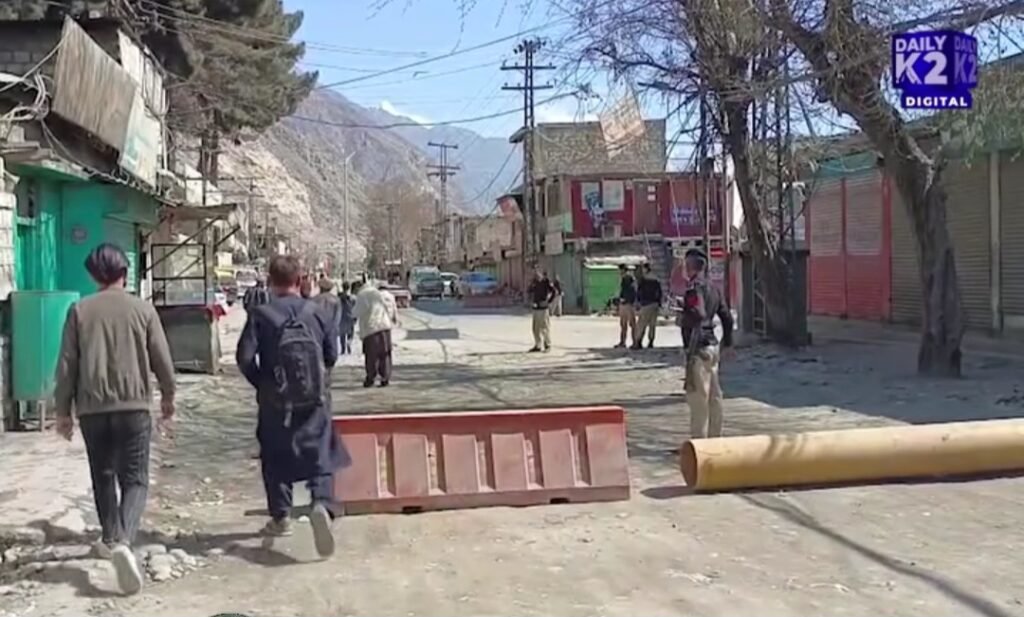
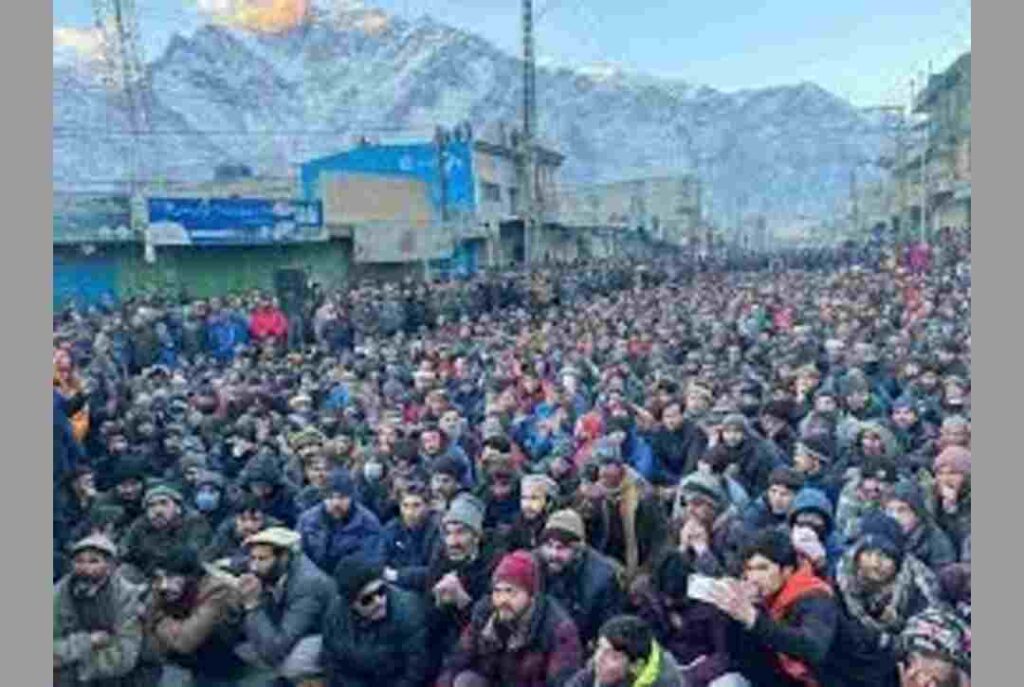
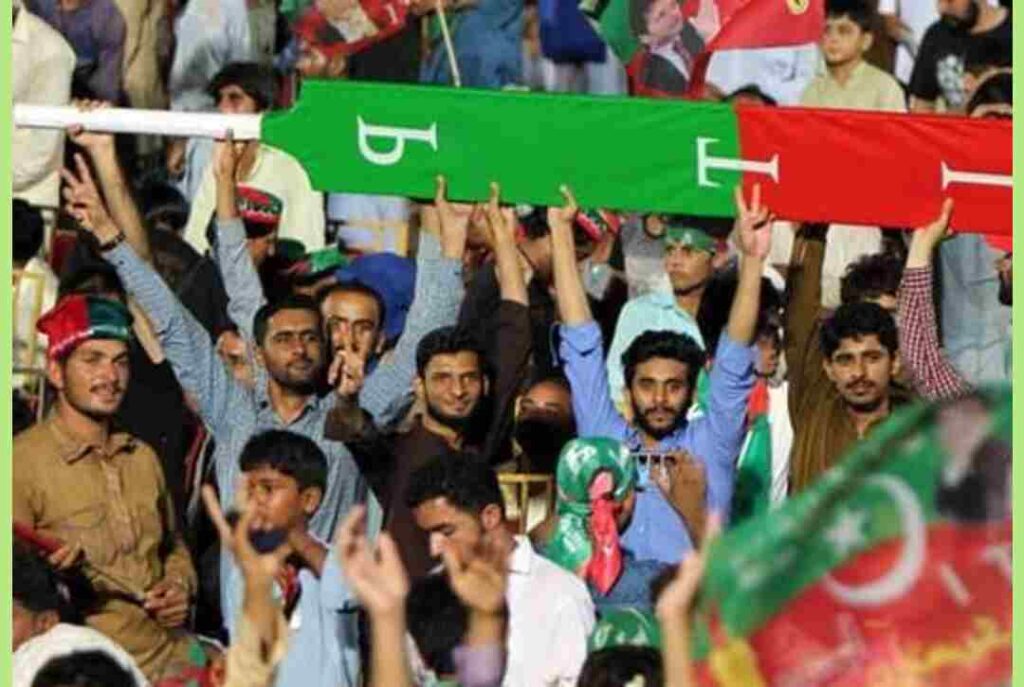
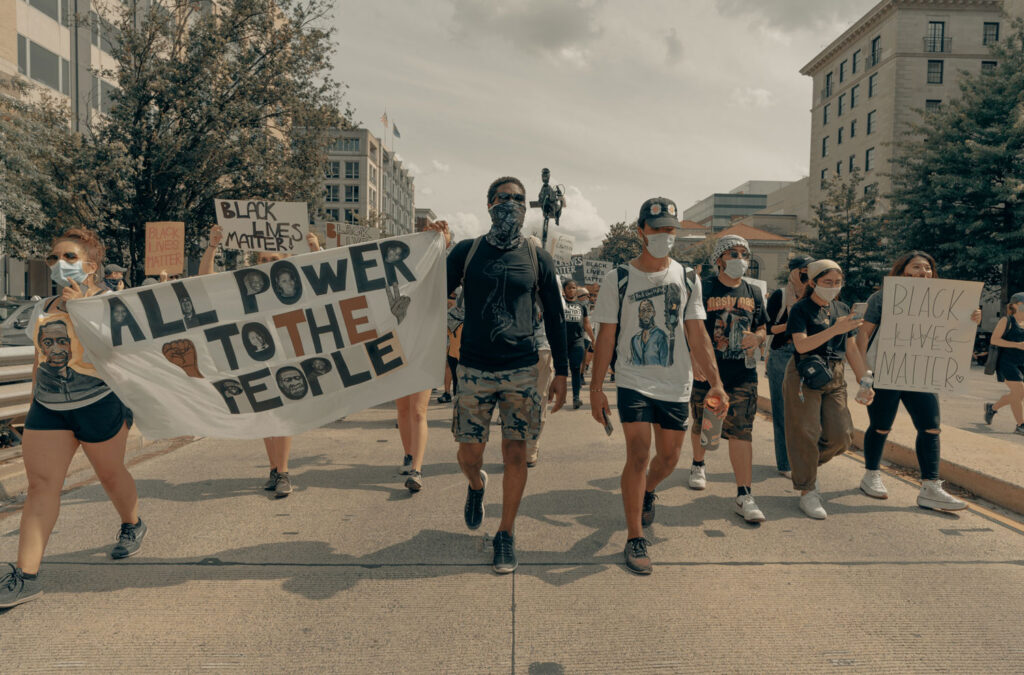
The forum reviewed incidents in Gilgit-Baltistan where demonstrations turned violent, resulting in casualties among young protesters and damage to public property. Speakers condemned what they termed the use of “live fire against unarmed mourners”, many of them teenagers, and accused law enforcement agencies of failing to anticipate the scale of public reaction.
The statement alleged that excessive force had deepened public anger instead of containing the situation, adding that the Shia community in the region had historically stood by the state, including during the 1965, 1971 and Kargil conflicts.
Concern was also expressed over remarks attributed to senior officials, particularly in relation to proposals involving military trials for civilians and other policy measures, which the participants said had raised serious questions within the community.
Despite criticism of recent developments, the meeting reaffirmed the community’s commitment to Pakistan and its armed forces, while stressing the need to rebuild trust through meaningful engagement and redress of grievances.
The participants expressed regret over damage to government and military installations but maintained that the protection of human life must remain paramount.
They also thanked members of Sunni, Ismaili, Noor Bakhshi and Ahl-e-Hadith communities, as well as political and social figures, for expressing solidarity and offering condolences.
The meeting concluded with a pledge to pursue peaceful and legal avenues for justice while continuing efforts to promote unity among Muslim communities and opposing what it described as external influence.
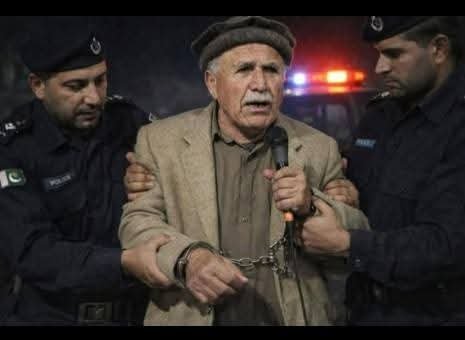
The joint forum issued a seven-point charter of demands, calling for an independent and pressure-free judicial commission to investigate the March 1 incidents, a halt to arrests until the probe is completed, financial compensation and employment support for victims’ families, and a clear rejection of military courts in Gilgit-Baltistan.
It further demanded the withdrawal of Frontier Corps deployment, a formal apology from law enforcement agencies to the victims’ families, and legal action under the Anti-Terrorism Act against those responsible for ordering the use of force on protesters.